
News
Compare Electric Cars under $70,000

Sep
Imagine cruising along Australia’s picturesque coastal roads, the only sound being your electric vehicle’s gentle hum. The sun sets behind the hills, enhancing your eco-friendly journey. Nowadays, selecting the top electric cars in Australia is both simple and cost-effective. This transition poses a vital question – which eco-friendly vehicles fit our budget and lifestyle best?
Electric vehicle comparison has lately become a hot topic among Aussie motorists. Many are investigating affordable EVs under $70,000 for their cost efficiency and reduced environmental footprint. This detailed guide will walk you through the leading options, exploring their design, performance, range, safety, and tech features. By this article’s conclusion, you’ll know how to choose the right eco-friendly car for your needs.
Key Takeaways
- The BYD Atto 3 and MG ZS EV are the most affordable electric cars available in Australia, starting from around $45,000 drive-away.
- The Tesla Model 3 is priced at $60,900 plus on-road costs, featuring a 62.3kWh battery with a 491km driving range.
- The number of electric cars on Australian roads increased by 86% in 2021, with tremendous growth continuing through 2023.
- Government incentives and rebates make purchasing affordable EVs more attractive across various Australian states.
- An average Australian driver travels about 38 km per day, meaning an EV could last over a week on a single charge.
Introduction to Electric Cars under $70,000
Electric vehicles (EVs) below $70,000 provide an excellent chance for Australians to find economical EV choices. These options mix innovative electric car features with affordability. The EV market Australia is growing, with electric-car sales under three per cent of the total new-car market, making it essential to identify standout models in this price range.
In the 2023 Drive Car of the Year, the BYD Atto 3, MG ZS EV, and the updated Nissan Leaf e+ were notable under $70,000. The BYD Atto 3, with a starting price of $50,600 drive-away, clinched this category. It was praised for its quick performance and spacious interior, delivering exceptional value for its price.
The MG ZS EV starts at $48,990 drive-away and offered impressive brake performance and a seven-year warranty. Yet, it’s starting to look outdated next to newer models. The Nissan Leaf e+, despite its higher $67,600 drive-away cost, provides an extended range and better handling, positioning it as a strong contender.
| Electric Car Model | Price (Drive-Away) | Driving Range (km) | Acceleration (0-100 km/h) | Braking Performance (100km/h) |
|---|---|---|---|---|
| BYD Atto 3 | $50,600 | 350 km (real-world) | 7.7 seconds | 39.1 meters |
| MG ZS EV | $48,990 | 320 km – 350 km (real-world) | 8.1 seconds | 37.2 meters |
| Nissan Leaf e+ | $67,600 | 320 km – 350 km (real-world) | 7.5 seconds | 38.5 meters |
These models underscore how tech advancements and competitive pricing make EVs more accessible. Most electric cars have wait times from six to 12 months. Some cases see delays up to two years for customer deliveries, highlighting the rising demand in the EV market Australia.
The cheapest EVs in Australia fall between $49,000 to $55,000. This is still above the most affordable petrol cars, which cost between $20,000 to $30,000. As the market evolves, more economic EV options are likely to surface. This will help boost the adoption of electric vehicles amongst Australian consumers.
Advantages of Electric Cars in Australia
Electric cars are gaining popularity in Australia, thanks to their several benefits. Australian drivers have much to gain from switching to electric vehicles (EVs).
Environmental Benefits
Electric cars offer major environmental benefits. They cut down greenhouse gas emissions, leading to less air pollution. This makes cities cleaner and promotes healthier living environments. Shifting to EVs reduces your carbon footprint, playing a part in the global effort to combat climate change.
This transition to cleaner transport methods is crucial for preserving natural resources. It ensures a healthier planet for future generations.
Cost Savings on Fuel
Compared to conventional vehicles, electric vehicles are more economical on fuel. Electricity costs notably less than petrol or diesel, allowing EV owners to enjoy significant savings. Estimates indicate that EVs can be up to 70% cheaper to run than traditional cars.
This is especially relevant in Australia, where fuel prices are unpredictable. In addition, electric cars have lower maintenance needs since they have fewer moving parts. This highlights the economic benefits of owning an EV.
Government Incentives
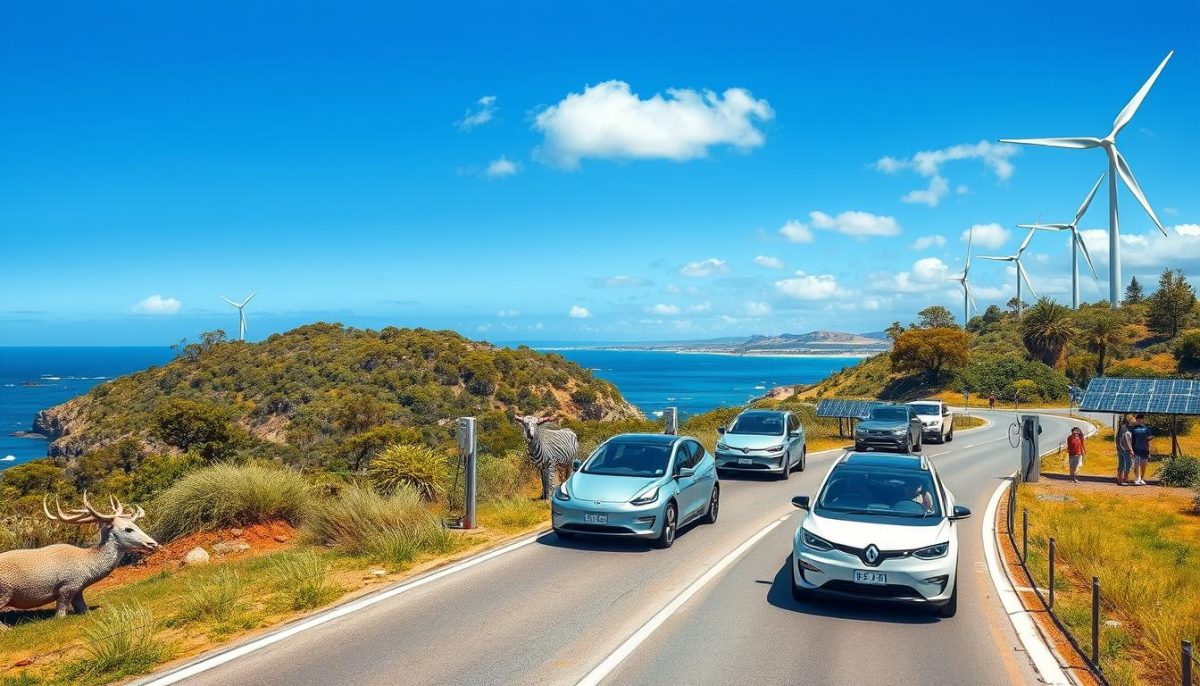
Owning an electric vehicle in Australia is made more attractive by government incentives. Different states offer rebates to encourage electric car adoption. For example:
- In New South Wales, benefits include a $3000 EV rebate and exemption from stamp duty up to specific dates in 2024. Plus, a $149 million investment into EV fast charging infrastructure is underway.
- Queensland increased its EV rebate to $6000 for households earning under $180,000 annually, in April 2023. The vehicle value threshold for this rebate was also raised.
- A $3000 rebate and a three-year registration fee waiver are available in South Australia for EV purchases made before the end of 2023.
- In Western Australia, a $3500 rebate is on offer for EVs priced under $70,000, with thousands of rebates granted since May 2022.
These incentives substantially lower the upfront cost of electric vehicles. They make EVs a more affordable and economically sensible choice for Australians. With continuing support and policies, choosing an EV becomes not just a sustainable decision but a wise financial move as well.
Key Features to Look for in Electric Cars
When you’re in the market for an electric car under $70,000 in Australia, several key features are crucial. Considering the EV driving range, the presence of charging stations, and the vehicle’s technology and safety innovations is vital. These considerations are central to making an informed choice that enhances your driving experience.
Driving Range
The driving range of an EV is critical to your decision. Various models offer different ranges. For example, the Kia EV6 provides a range of up to 528 km. In comparison, the Volvo EX30 can travel up to 480 km before needing a recharge. Evaluating these ranges is essential for choosing a car that meets your travel requirements.
Charging Infrastructure
Easy access to electric car charging stations is key for smooth travels. Despite improvements, Australia’s charging network faces challenges. The Volvo XC40 Recharge Pure Electric users in New South Wales have encountered problems due to inadequate charging facilities. Hence, it’s important to check the charging station availability, particularly if you travel between urban and rural areas, to alleviate range worries.
Technology and Safety Features
Modern electric cars are equipped with advanced technologies and safety features that enhance both convenience and security. For instance, the Tesla Model 3 and Hyundai Ioniq 5 come with cutting-edge functionalities. These include autopilot options and extensive sensor systems. With the addition of safety features like automated emergency braking, your driving environment becomes significantly safer.
In conclusion, when selecting an electric car on a budget, focusing on the driving range, charging infrastructure, and tech and safety features is critical. Adopting this comprehensive approach ensures a fulfilling, efficient, and safe driving journey.
BYD Atto 3: Value and Performance
In Australia, the BYD Atto 3 distinguishes itself with a price range of $44,499 – $47,499. Positioned as an affordable EV, it marries value for money and performance impressively. This positions it as a leading contender in the electric vehicle arena.
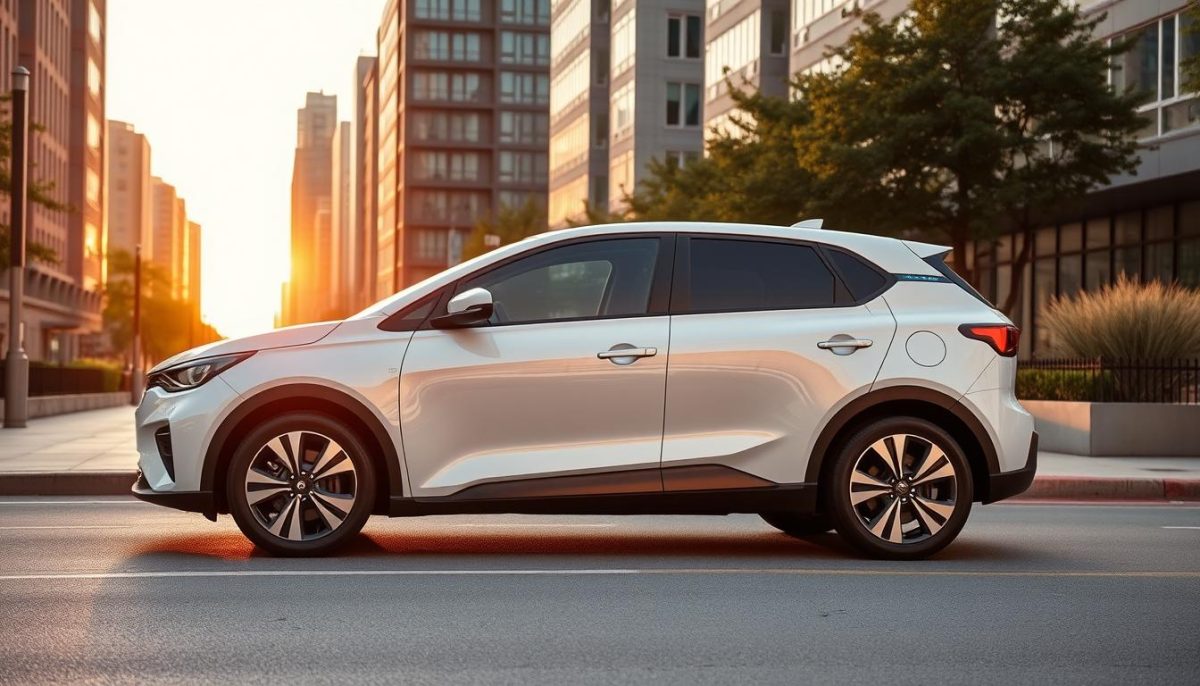
The BYD Atto 3 earns a Drive Rating of 7.6/10, marking its impact among affordable electric vehicles. It’s equipped with a comprehensive safety suite, including electronic stability control and adaptive cruise control. Additionally, a 5-star ANCAP safety rating from 2022 underscores its reliability.
The below table captures essential performance and comfort insights for the BYD Atto 3:
| Attribute | Rating |
|---|---|
| Performance Rating | 7.5 |
| Ride Quality | 7.5 |
| Infotainment & Connectivity | 7.6 |
| Handling & Dynamics | 7.2 |
| Energy Efficiency | 7.0 |
| Driver Technology | 7.5 |
| Value for Money | 8.0 |
| Interior Comfort & Packaging | 8.0 |
| Fit for Purpose | 8.2 |
The BYD Atto 3 offers an impressive range of up to 480 km on a single charge. It recharges to 80% in just 45 minutes with a max DC charger. Its power output is 150 kW with 310 Nm torque, ensuring a balanced and solid driving experience.
Featuring a contemporary infotainment system, the BYD Atto 3 stands out for its technological prowess. The spacious cabin and strategic packaging earn high ratings in comfort and functionality. It’s perfectly suited for daily drives and extended trips alike.
To sum up, the BYD Atto 3 embodies a blend of affordability, quality, and performance within Australia’s EV market. It appeals to eco-conscious drivers and technology enthusiasts alike, offering exceptional value and a range of dynamic features.
MG ZS EV: Affordability and Reliability
The MG ZS EV emerges as a cost-effective choice within Australia’s EV market. With a drive-away price of $48,990, this electric SUV is enticing for those in search of affordability. It caters well to consumers desiring an economical electric vehicle.
Strengths and Weaknesses
The MG ZS EV’s key strengths lie in its affordability and comprehensive features suitable for everyday use. This electric SUV’s reliability is enhanced by consistent performance and advanced safety features, like effective emergency braking. However, it could benefit from improvements in steering and driving range.
Scores of users have commented on its somewhat cumbersome steering and the limited range. These aspects are seen as areas needing refinement.
Customer Reviews
Feedback on the MG ZS EV often praises its straightforward and intuitive cabin controls. Its smooth ride and comfortable interior are frequently highlighted in reviews. Nonetheless, there are criticisms about the car’s dated appearance and the challenging steering.
Despite such critiques, the overall sentiment from users tilts towards satisfaction with the MG ZS EV.
Warranty and After-Sales Support
MG’s electric vehicle warranty significantly enhances consumer confidence. Highlighting this is a seven-year comprehensive warranty, extending to the vehicle and its battery. This coverage makes the MG ZS EV a solid choice for those considering an EV. MG’s dependable after-sales support further strengthens customer trust and satisfaction with the brand.
| Vehicle Model | Price (Drive-Away) | Battery Capacity | Range | Fast Charge |
|---|---|---|---|---|
| BYD Atto 3 | $48,011 | 60kWh | 480km | 80kW |
| MG ZS EV | $48,990 | 44.5kWh | 263km | 50kW |
| Mazda MX-30 | $65,460 | 35.5kWh | 224km | 50kW |
Nissan Leaf e+: Long-Range Electric Vehicle
The Nissan Leaf e+ remains a standout in the long-range EV market. As a precursor in electric vehicles, it has solidified its position within the affordable segment under $60,000. This is attributed to significant electric car updates, which ensure it remains competitive.

One noteworthy upgrade is the increased Nissan Leaf e+ range. This model now sports a larger battery. This enhancement significantly boosts its performance, making it ideal for long-distance travel.
The enhancements do not stop at the battery. The vehicle also boasts improved handling. Such upgrades lead to a smoother ride, characteristic of a premium long-range EV. Despite new competitors, the Nissan Leaf e+ stands out for those wanting both performance and value.
The electric vehicle scene in Australia is growing, with over 100,000 EVs now registered. The market sees competition from models like the Tesla Model 3, and the BYD Atto 3 SUV. Yet, the Nissan Leaf e+ range ensures it remains a top choice for buyers seeking durability and reliability.
Affordable EVs in Australia start below $40,000, with electric vehicle sales hitting over 8% of total vehicle sales in early 2024. This trend underscores the pivotal role of electric cars in transforming the automotive industry. Amidst this, the Nissan Leaf e+ shines due to ongoing electric car updates and its ability to cover long distances.
Hyundai Ioniq 5: Design and Functionality
The Hyundai Ioniq 5 stands out in the electric vehicle market with its modern design and superior functionality. With a price tag under $70,000, it becomes a competitive choice. It features an eye-catching exterior, a welcoming interior, robust battery life, and advanced electric vehicle technologies.
Exterior and Interior Design
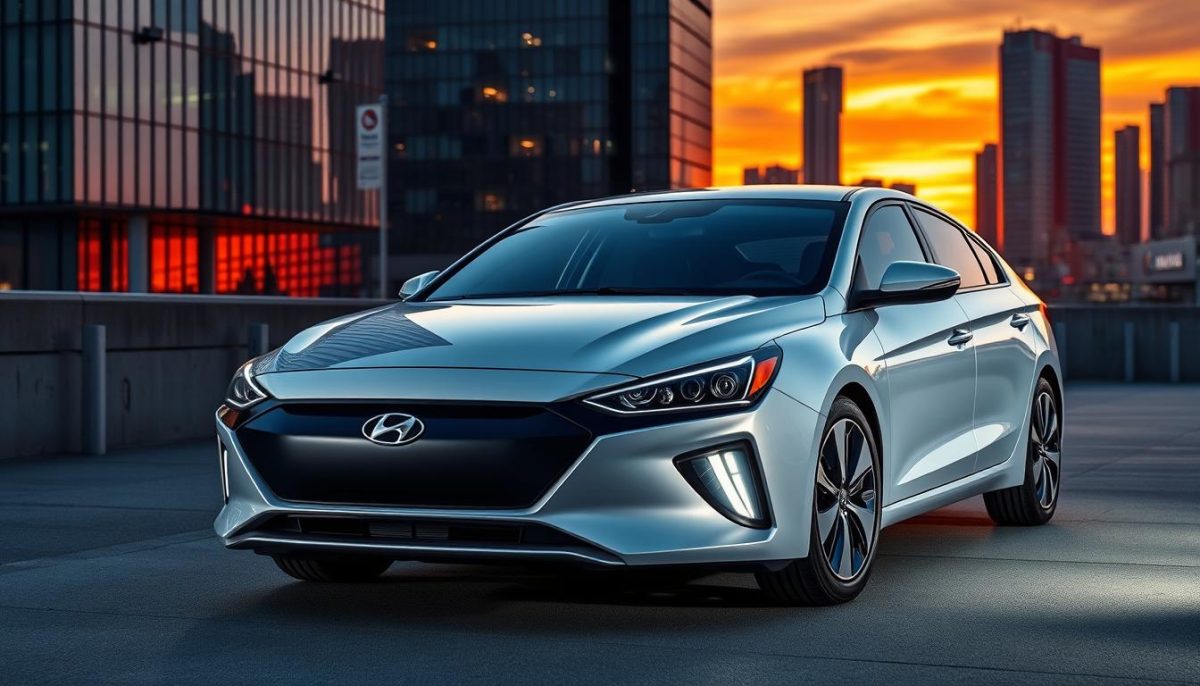
The design of the Hyundai Ioniq 5 cleverly combines retro vibes with a futuristic outlook. Its angular body and sharp headlights mark it as unique. The cabin offers a sense of space and comfort, designed for openness. The dashboard is minimalist and functional, using eco-friendly materials. This design ensures comfort for both short and extended drives.
Battery and Range
The Hyundai Ioniq 5 comes with a battery capacity ranging from 58 kWh to 77.4 kWh. Depending on the variant, it can travel up to 480km on a single charge. This flexibility makes it an appealing choice for those ready to switch to electric. Its fast-charging feature allows up to 80% charge in just under 18 minutes, adding to its practicality.
Technology and Features
The Ioniq 5 doesn’t skimp on electric vehicle technology. It showcases a dual 12.3-inch display for infotainment, including a digital instrument cluster and touchscreen. The car also features advanced driver-assistance systems, wireless charging, and a high-quality sound system. These features guarantee a smooth and enjoyable drive.
| Model | Price | Range | Battery Capacity |
|---|---|---|---|
| Hyundai Ioniq 5 Standard | Under $70,000 | Up to 384km | 58 kWh |
| Hyundai Ioniq 5 Long Range | Under $70,000 | Up to 480km | 77.4 kWh |
Kia EV6: Performance and Technology
The Kia EV6 leads the EV market with outstanding performance and advanced technology. It sets high standards in the electric vehicle sector. It offers both swift acceleration and a large, comfortable cabin.
Performance Metrics
The Kia EV6 has secured its spot as a top contender in the $70,000–$120,000 EV range. Its GT variant boasts 430kW power and 740Nm torque, achieving 0 to 100km/h in just 3.5 seconds. The model provides a range of 484km to 528km, ideal for various travel needs. Additionally, its efficiency is evident in its 350kW DC fast charging, which charges the battery from 10-80% in 18 minutes.
Interior Comfort and Space
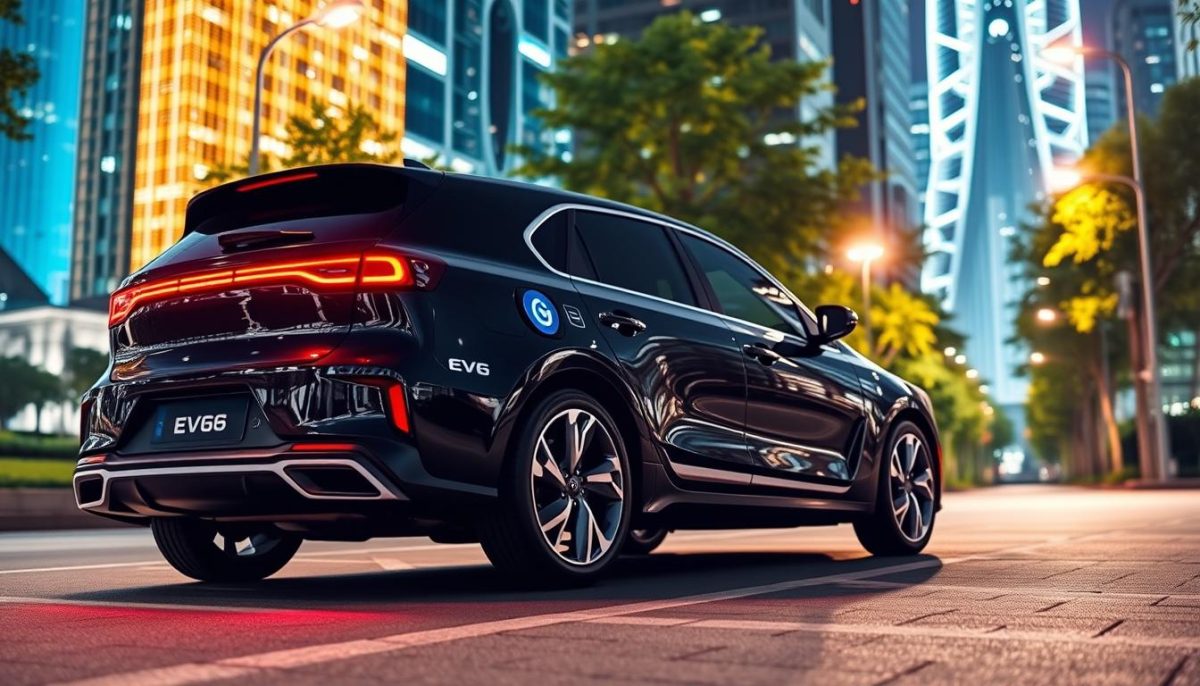
The Kia EV6 is designed with a focus on user comfort, offering a roomy interior. Its dimensions, stretching up to 4695mm in length and 1890mm in width, ensure space. It also has a significant wheelbase of 2900mm, providing ample legroom. The interior design, despite some views on its simplicity, is acclaimed for practical space use.
Technology Integration
The Kia EV6 is a leader in technology integration in cars. It scores 8.5 in infotainment and connectivity, indicating robust performance. It features dual 12.3-inch displays, augmented reality in the heads-up display, and numerous driver-assist technologies. These aspects make for an intuitive and engaging driving experience.
The table below provides a quick overview of the Kia EV6’s main specs:
| Category | Kia EV6 |
|---|---|
| Price Range | $72,590 to $99,590 |
| Driving Range | 484km to 528km |
| Battery Capacity | 77.4kWh |
| Charge Time | 10 to 80% in 18 mins |
| Dimensions | 4680-4695mm (L), 1880-1890mm (W), 1545-1550mm (H) |
| ANCAP Safety Rating | 5 stars (2022) |
| Warranty | 7 years / Unlimited km |
| Performance | 430kW / 740Nm |
| Fast Charging | Up to 350kW |
Compare Electric Cars under $70,000
Choosing the right eco-friendly car choice in Australia requires a comprehensive electric car comparison. We delve into the best value EVs under $70,000. We consider range, performance, and other key factors.
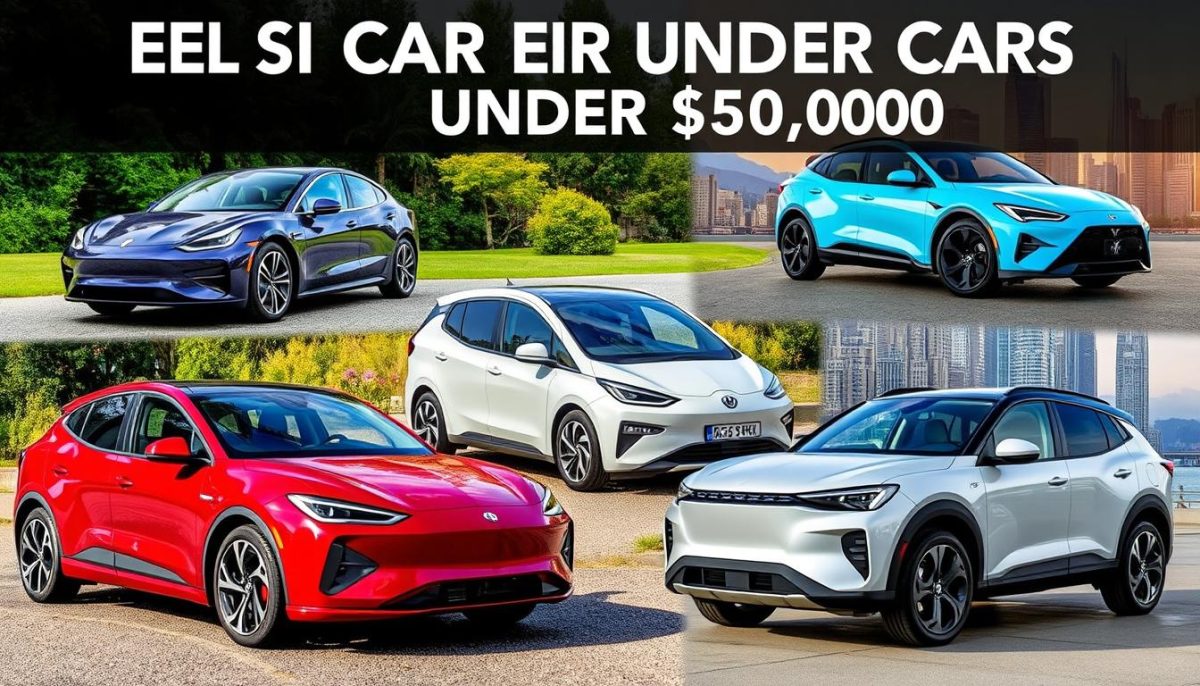
The Best Electric Vehicle Under $70,000 award highlights some competitive options:
| Car Model | Price (AUD) | Range (km) | Acceleration (0-100 km/h) | Max Charge Rate (kW) | Warranty |
|---|---|---|---|---|---|
| BYD Atto 3 | $50,600 | 320-350 | 7.7 seconds | 100 kW | 5 years |
| MG ZS EV | $48,990 | 320-370 | 8.1 seconds | 85 kW | 7 years |
| Nissan Leaf e+ | $67,600 | 320-350 | 7.5 seconds | 100 kW | 5 years |
| Kia EV6 Air RWD | $72,590 | 528 | Not specified | 240 kW | 7 years |
| Tesla Model Y RWD | $69,300 | 455 | Not specified | 250 kW | 4 years/80,000 km; battery: 8 years/160,000 km |
The BYD Atto 3, around $50,000, offers a good range and solid performance. It’s a significant contender in our electric car comparison. The MG ZS EV is notable for its seven-year warranty, enhancing its value as one of the best value EVs.
The Nissan Leaf e+ combines range with acceleration, priced at $67,600. The Kia EV6 Air RWD exceeds our price limit slightly but impresses with a 528km range and fast charging. The Tesla Model Y RWD remains popular for its broad range and advanced tech.
Understanding these aspects is crucial in making an informed decision among eco-friendly car choices. With varied factors like range, price, and performance, each vehicle presents a unique offer. They all stand out in Australia’s sub-$70,000 EV market segment.
Charging Infrastructure in Australia
The expansion of charging infrastructure for electric vehicles (EVs) in Australia is rapid. This is to support the growing number of EVs. In February 2024, electric vehicles made up 8% of new car sales, a record. This surge underlines the need for more charging options, for use at home and publicly.
Availability of Charging Stations
EV charging station availability in Australia is on the rise. NSW has earmarked $131 million for EV fast charging grants. This funding ensures ultra-fast charging stations are placed every 100 km. Additionally, there’s $20 million for chargers at tourist spots, and $54 million for priority zone fast chargers. The ACT aims to have 180 public EV chargers by 2025. They offer businesses a 50% rebate, up to $3,000, for adopting EV technology.
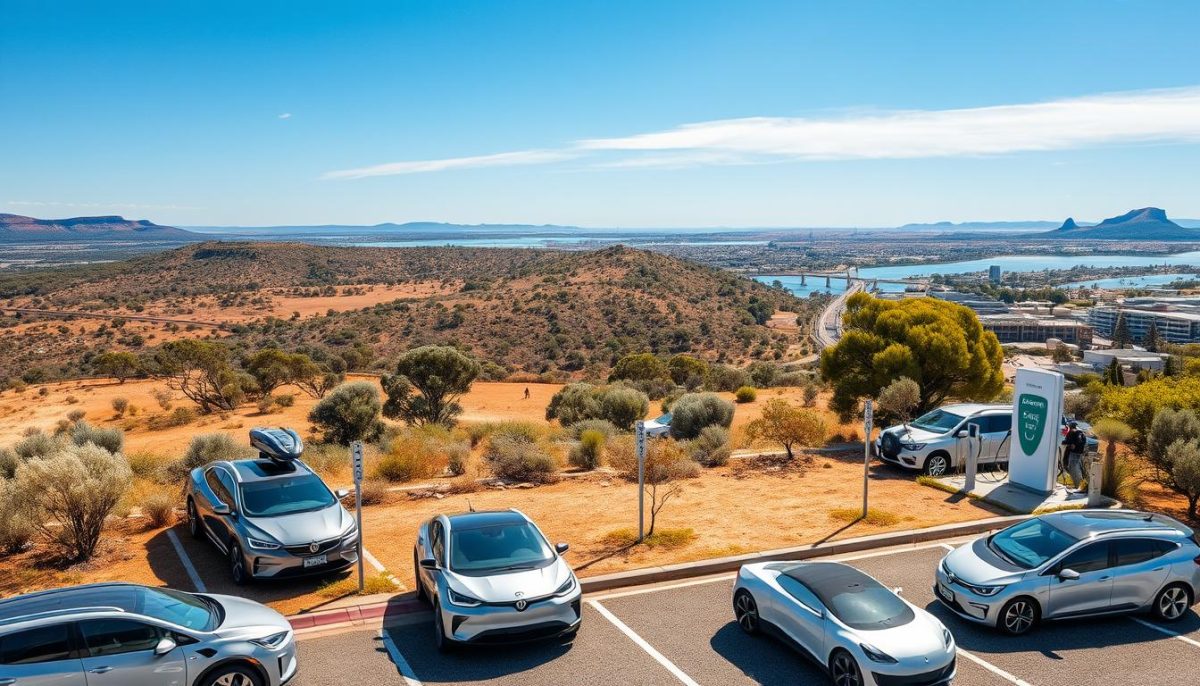
Costs of Installing Home Chargers
Various Australian states offer incentives for home EV charging. The NT and WA provide up to $1,000 in grants for residential properties. WA adds a $3,500 rebate for the first 10,000 electric car owners under $70,000. Victoria aids regional areas with $19 million for EV charging structures. They also give EV owners an annual $100 discount on registration fees. Every state is making efforts to lower costs and support the setup of home chargers.
Public Charging Network
Australia’s public EV charging network is growing fast. Significant funds are being invested, including WA’s $20 million for EV infrastructure. Queensland offers $10 million in co-funding for more public charging options. Tasmania is focusing on fast chargers in regional and tourist locations. SA offers a 3-year registration fee waiver and a $3,000 subsidy for the first 7,000 EVs under $68,750. Victoria, though initially behind NSW in incentives, boasts over 50,000 EVs. The state is pushing EV adoption through events like the EV Charging Summit, Mobility Live, and the Melbourne Electric Vehicle Show.
SUV vs. Sedan: Which Electric Car is Right for You?
Choosing between EV SUVs and electric sedans involves considering preference, space, and how you’ll use the vehicle. We’ll delve into the advantages and downsides of each car body type. This will help you figure out which car might suit your needs best.
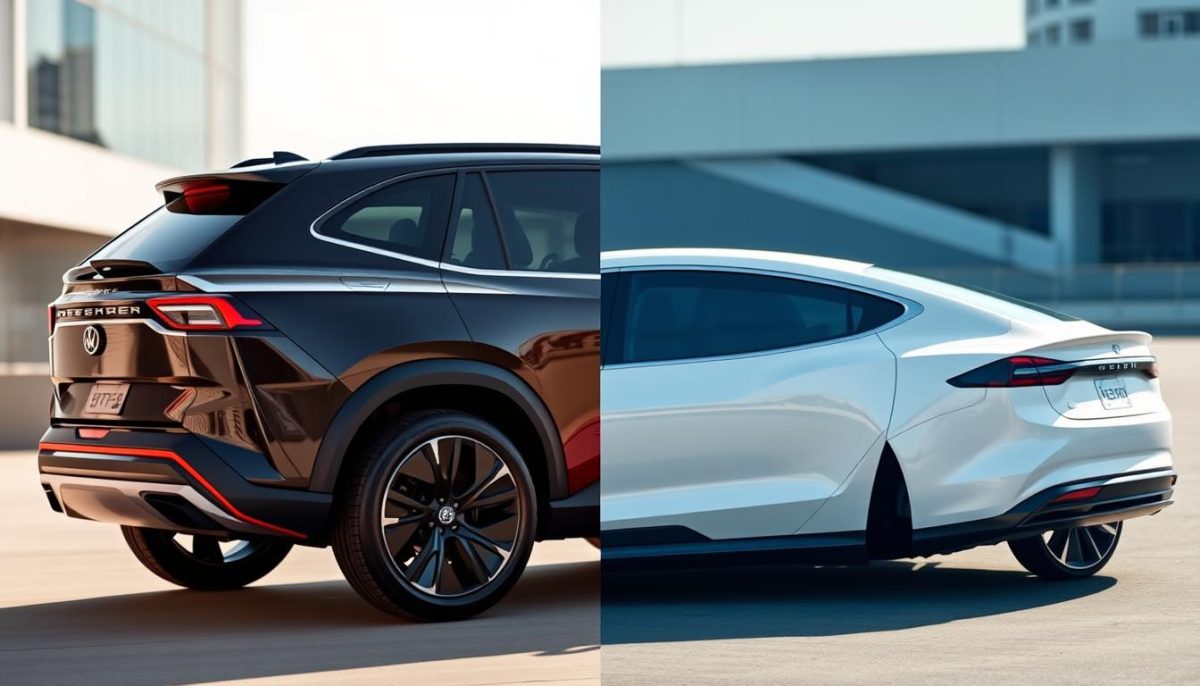
In Australia, the popularity of EV SUVs is soaring, with these vehicles topping electric vehicle sales. This year, sales are expected to hit a remarkable milestone of 100,000. This surge underscores the allure of SUVs. Meanwhile, electric sedans bring their own set of advantages, excelling in range and efficiency. This comparison aims to make your decision-making process easier:
| Feature | EV SUVs | Electric Sedans |
|---|---|---|
| Space and Comfort | EV SUVs boast spacious interiors, fitting for families and cargo. They’re perfect for lengthy journeys and outdoor escapades. | Electric sedans present a compact, streamlined design. This makes them ideal for city maneuvers and squeezing into snug parking spots. |
| Range | Models like the Hyundai Kona Electric Long Range deliver up to 490km. The BYD Atto 3 Extended Range offers up to 420km. | The Renault Megane E-Tech extends to 450km, and the Volvo EX30 up to 480km. They closely match SUVs in range capability. |
| Price | The Mini Countryman Electric starts at $64,990. | Electrical sedans, such as the Hyundai Kona Electric Elite, are priced at $62,000. They show a slight edge in affordability versus some SUVs. |
| Fuel Costs | Electric variants incur lower running costs than petrol models. For example, the Kona Electric’s 64kWh battery recharges for around $12.80. It costs just $2.84 per 100km, compared to petrol’s $10.40 per 100km. | Similar to SUVs, electric sedans like the Hyundai Kona Electric offer significant savings. They reduce fuel costs by about $1,100 yearly, assuming driving 15,000 kilometers. |
| Government Incentives | Victoria provides a $3,000 discount on new electric vehicles priced under $68,740. This makes choosing an electric SUV even more enticing. | Electric sedans, if priced under the threshold, qualify for similar incentives. This reduces the upfront cost significantly. |
Understanding these crucial differences can guide you to a well-informed choice. Whether you prefer the adaptability of EV SUVs or the efficient design of electric sedans, it ultimately boils down to your specific needs and lifestyle.
Electric Cars and Driving Experience
The driving experience provided by electric vehicles (EVs) has several pivotal factors that set them apart. These include EV driving dynamics, car comfort features, and connectivity technology. They collectively enhance the pleasure and convenience of operating electric cars in Australia. Let’s explore their impact on handling, comfort, and infotainment more closely.
Handling and Performance
Electric vehicles are celebrated for their superior handling and performance. Take the BMW i7 M70, for example, with its 105.7kWh battery, it offers a max range of 560km. The instant torque of electric motors enables swift acceleration, making driving in the city or on the highway more thrilling. Another example, the XC40 Recharge Pure Electric, boasts a 69kWh battery and a 435km WLTP-certified range, delivering smooth and fast driving thanks to advanced suspension improvements.

When comparing to petrol vehicles, EVs are notably more efficient. The BMW i7, over a 900km journey, used roughly 203.03kWh of electricity and took just over two hours to charge. Meanwhile, a petrol equivalent would consume 56.16 litres of fuel, requiring only six minutes to refuel.
Comfort and Convenience
Comfort features play a significant role in the EV driving experience. The BYD Atto 3 and MG ZS EV excel with spacious cabins and smart interiors. The Atto 3 offers affordability and comfort with a 480km range at $48,011. The MG ZS EV boasts decent driving experience and reliable comfort starting at $45,000 drive-away. Moreover, the Tesla Model 3, at $60,900, stands out for its efficiency and rapid charging.
Infotainment and Connectivity
Modern electric cars prioritize connectivity technology, improving the drive with advanced infotainment systems. Electric cars, like the Tesla Model 3, ensure seamless integration with digital lives through their top-tier in-house charging network and user-friendly interfaces. The Nissan Leaf and Mini Cooper SE, priced at $61,490 and $62,825 respectively, also feature solid infotainment systems. These systems provide a more connected and intuitive driving experience.
Below, find a comparison of notable electric cars under $70,000, showcasing their range, battery capacity, and pricing:
| Model | Battery (kWh) | Range (km) | Price (AUD) |
|---|---|---|---|
| BYD Atto 3 | 60 | 480 | $48,011 |
| MG ZS EV | 50 | 320 | $45,000 |
| Tesla Model 3 | 62.3 | 491 | $60,900 |
| Nissan Leaf | 62 | 385 | $61,490 |
| Mini Cooper SE | 33 | 234 | $62,825 |
The growth of the EV market in Australia underscores the importance of driving dynamics, comfort features, and connectivity technology. These factors together enhance the attractiveness and practicality of electric cars, appealing to a broad spectrum of drivers.
Safety Features in Electric Cars
In evaluating any vehicle, safety is paramount, and electric cars are no different. Electric vehicle (EV) safety standards are constantly being updated by manufacturers. They aim to ensure EVs meet or surpass traditional safety measures. Key safety elements in electric vehicles encompass advanced driver assistance systems. These systems feature lane-keeping help, automatic emergency stopping, and adaptive speed control to boost safety.
Moreover, the security features of electric cars are extensive. They include advanced alarm systems and devices that prevent the engine from starting if tampered with. Also, they often come with GPS and tracking for theft recovery. This is crucial as interest in electric vehicles grows due to their eco-friendly nature and lower upkeep costs over time.
Electric vehicles also utilize cutting-edge building techniques for safety. These include reinforced bodies and strategically placed zones designed to crumple on impact, protecting passengers during crashes. The use of high-strength steel and aluminum reduces the car’s weight without compromising its safety. As the electric vehicle market expands, with key models like the BYD Atto 3, MG ZS EV, and Nissan Leaf e+, their stringent safety protocols offer Australian consumers a trustworthy and secure choice.
FAQ
What are the best electric cars in Australia under ,000?
What features should I consider when purchasing a budget-friendly electric vehicle?
How do electric cars offer cost savings on fuel?
Are there government incentives for electric car buyers in Australia?
What is the driving range of electric cars under ,000?
What are the advantages of the BYD Atto 3?
How reliable is the MG ZS EV?
What updates does the Nissan Leaf e+ offer compared to its predecessor?
What makes the Hyundai Ioniq 5 a strong contender?
What technology features are integrated into the Kia EV6?
What should I know about the charging infrastructure for electric vehicles in Australia?
How do I choose between an SUV and a sedan electric car?
What is the driving experience like in modern electric cars?
What safety features are standard in electric cars?
