
-
×
 Managed Hosting
1 × $140.00
Managed Hosting
1 × $140.00
 Managed Hosting
 News
Compare Electric Cars over $150,000

05
Sep
Sep
Imagine cruising through Sydney’s famed streets, your luxury electric vehicle humming softly. The automotive scene is changing rapidly, with more Aussies choosing high-end EVs. These cars offer not just environmental perks, but unmatched luxury and performance. As we explore the realm of premium electric vehicles, let us help you understand their unique features. We compare top electric cars over $150,000, ensuring your purchase delivers technology, prestige, and sustainability.
Key Takeaways
- The luxury electric vehicle market in Australia is expanding rapidly, with top-tier brands like BMW, Mercedes-Benz, Audi, and Porsche.
- High-end EVs in this category offer advanced technological innovations, superior range capabilities, and sumptuous interiors.
- Electric performance cars provide an eco-friendly drive experience without compromising luxury or performance.
- Key models such as the Tesla Model S Plaid and Porsche Taycan Turbo S are setting benchmarks in the market.
- Investing in premium electric cars means being at the forefront of automotive evolution and sustainable luxury.
Why Choose Electric Cars over $150,000?
Opting for a luxury electric car beyond the $150,000 mark goes beyond status and wealth. It means embracing revolutionary technology and positively impacting our environment. High-end EVs set a standard, blending luxury with electric power.
These cars showcase the pinnacle of what electric vehicles offer in luxury.
- Unparalleled Comfort and Performance: High-performance EVs like the Porsche Taycan Turbo S and Tesla Model S Plaid redefine acceleration and driving dynamics. They exceed the performance of traditional cars, providing quiet, smooth rides.
- Advanced Technologies: Equipped with the latest in automotive tech, luxury electric vehicles lead in innovation. They come with state-of-the-art driver assistance, connectivity, and entertainment systems, enhancing safety and driving pleasure.
| Make and Model | Price (AUD) | Range (km) | Powertrain |
|---|---|---|---|
| BMW i4 M50 xDrive | $133,900 | 520 | 400kW/795Nm |
| Mercedes-Benz EQE 300 | $134,900 | 508 | Settled and responsive driving experience |
| Genesis Electrified G80 | $145,675 | 520 | 320kW/605Nm |
Choosing a top-notch EV showcases a dedication to sustainable living and minimizing environmental harm. Brands like BMW, Mercedes-Benz, and Genesis are pushing forward with efficient technology. These vehicles have no exhaust emissions, majorly reducing pollutants that warm our planet.
The perks of owning a luxury electric car become clear with their tech integration and unmatched speed. Selecting a premium electric vehicle means endorsing a future where luxury, cutting-edge technology, and high performance meet sustainability.
Key Considerations When Buying Luxury Electric Cars
Delving into luxury electric cars requires several key considerations for a sound purchase decision. It is paramount to evaluate pivotal aspects that align with your driving and lifestyle needs. This segment underscores critical features to consider, ensuring your selection meets your expectations.
Performance and Speed
Luxury EVs are known for exhilarating acceleration akin to sports cars. They feature instant torque, leading to swift zero to 100km/h times. Many models boast advanced suspensions and wider tires for better cornering and stability.
This ensures a dynamic and spirited driving experience for enthusiasts.
Range and Charging Time
It’s vital to understand an electric car’s range and its fast charging capabilities. Premium models often offer ranges that greatly reduce range anxiety, some exceeding 500km on a full charge. Fast charging can replenish up to 80% battery in less than 30 minutes, adding convenience.
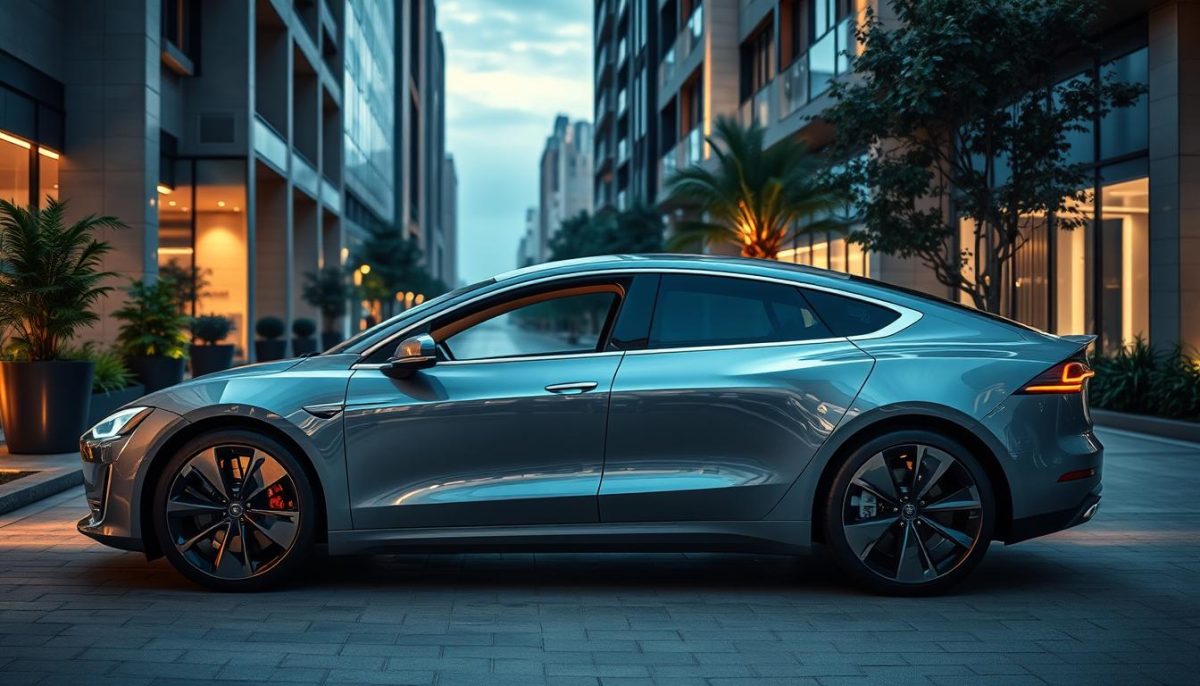
For example, the Audi RS e-tron GT has a 93kWh battery and covers 472km, illustrating its long range.
Technology and Features
Luxury electric cars come with top-notch technology and exclusive amenities. Owners enjoy interactive systems, semi-autonomous driving, and unique personalization options. The addition of over-the-air software updates keeps your vehicle current with the latest tech.
These features, alongside bespoke materials and premium upholstery, elevate every journey to a luxurious experience.
| Model | Price | Battery Capacity | Range | Power | Torque |
|---|---|---|---|---|---|
| Audi RS e-tron GT | $246,875 | 93kWh | 472km | 440kW | 830Nm |
| BMW iX xDrive50 Sport | $185,400 | 112kWh | 620km | 385kW | 765Nm |
| BYD Atto 3 Superior Extended Range | $51,011 | 60.4kWh | 420km | 150kW | 310Nm |
| Cupra Born | $59,990 | 82kWh | 511km | 170kW | 310Nm |
| Fiat 500e | $52,500 | 42kWh | 312km | 87kW | 220Nm |
| Ford Mustang Mach-E Select | $64,990 | 71kWh | 470km | 198kW | 430Nm |
Top Luxury Electric Cars Over $150,000 in Australia
Australia’s top-end electric car market is vast, offering sleek sedans, roomy SUVs, and eye-catching hypercars. These luxury vehicles excel in performance, technological advancements, and unparalleled comfort. Explore the leading choices in the premium EV market here.
- Mercedes-Benz EQE SUV: Anticipated as a popular choice, the EQE SUV’s boxier design might affect its electric range. Priced at about $150,000 for the EQE 300 model, it is expected to be a hit.
- Audi RS e-tron GT: The Audi RS e-tron GT, at $246,875, boasts a 93kWh battery. It offers a range of 472km and a formidable 440kW of power, ranking it high in performance.
- BMW i5 M60 xDrive: Priced at $215,900, the BMW i5 M60 xDrive combines luxury with an 84kWh battery. It promises a range of 516km and a strong 442kW output.
Mercedes-Benz also has an array of luxury electric vehicles that meet diverse preferences:
- EQA small SUV
- EQB medium SUV
- EQC medium SUV
- EQE large SUV
- EQS upper-large SUV
- EQV seven-seat people mover
- EQE and EQS sedans
When analyzing electric cars in the high-end sector, the focus is often on technological, performance, and luxury aspects. Mercedes-Benz models like the EQA250 and EQE 300 have gained significant attention. The EQE SUV, with its expected price and specs, is likely to draw considerable interest.
Here’s a comparative look at some top models:
| Model | Price | Battery Capacity | Range | Power Output |
|---|---|---|---|---|
| Mercedes-Benz EQE SUV (EQE 300) | $150,000 (approx.) | 84kWh | 516km | 442kW |
| Audi RS e-tron GT | $246,875 | 93kWh | 472km | 440kW |
| BMW i5 M60 xDrive | $215,900 | 84kWh | 516km | 442kW |
| Genesis GV60 | $106,375 | 77.4kWh | 470km | 234kW |
| Tesla Model S Plaid | $200,000 (approx.) | 100kWh | 637km | 761kW |
With over 25,000 electric vehicles sold in the first quarter of 2024, Australia’s high-end EV market growth is clear. Now, electric vehicles represent more than 8% of total vehicle sales. This marks a 46% increase from the previous year.
Tesla Model S Plaid
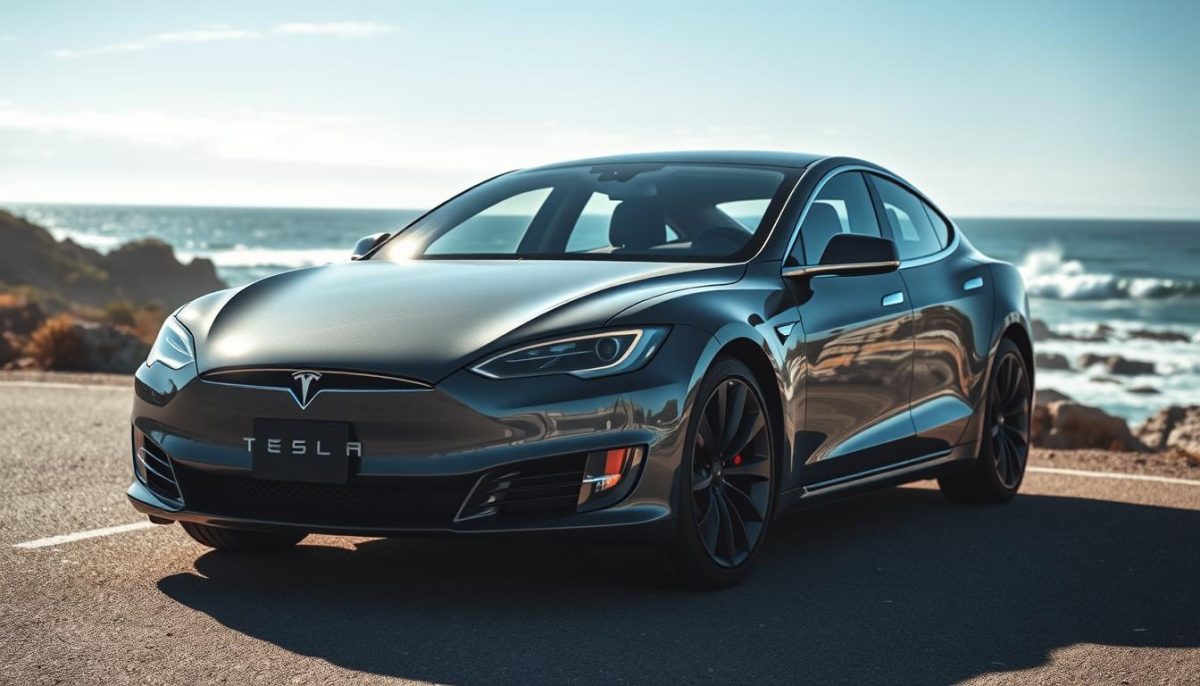
The Tesla Model S Plaid is a stunning example of modern automotive brilliance. It combines immense power, luxurious design, and advanced technology. In this review, we delve into its performance, high-end interiors, and remarkable range alongside its pricing details.
Performance and Specifications
Equipped with a powerful tri-motor setup, the Tesla Model S Plaid develops around 761kW. This results in a thrilling driving experience. The car can accelerate from 0-96km/h in less than 2.0 seconds. It also reaches 0-100km/h in just 2.1 seconds. Moreover, it achieves a top speed of 322km/h. Additionally, it can complete a quarter-mile in a swift 9.23 seconds.
The Model S Plaid features innovative heat pump technology. This technology boosts cold-weather range and cuts HVAC energy use by half. Its aerodynamic design, with a drag coefficient of 0.208, guarantees efficient energy utilization.
Interior Luxury and Technology
The Tesla Model S Plaid’s interior defines premium EV luxury. At its heart lies a 17-inch horizontal touchscreen. The touchscreen’s user interface allows drag-and-drop operations. A digital instrument cluster displays driving statistics and vehicle information.
In addition, the cabin offers a high-quality audio system. This system significantly enriches the driving experience. Tesla’s innovative “yoke” steering wheel and the removal of traditional stalks emphasize its cutting-edge tech. Driving modes are directly selectable from the touchscreen.
Price and Range
In 2022, Tesla set the Australian price for the Model S Plaid at $186,990. It boasts an impressive range of up to 628km, underlining Tesla’s electric mobility dedication. Tesla plans to start delivering new Model S Plaids at a few hundred per week. They aim to increase production over time, making this exceptional vehicle more obtainable.
While it’s not the priciest in the Tesla range, its asking price mirrors the significant performance and advanced features on offer. This makes the Model S Plaid a prime choice for those after the forefront of electric vehicles.
Porsche Taycan Turbo S
The Porsche Taycan Turbo S is the epitome of luxury in electric sports cars, blending Porsche’s iconic driving dynamics with advanced electric technology. As the flagship of Porsche’s electric lineup, it showcases technology at its best. Its performance guarantees an adrenaline-pumping ride.
The Porsche Taycan Turbo S stands out for its unmatched performance. It delivers an impressive 700 kW or 952 PS. This power enables it to go from 0 to 100 km/h in only 2.4 seconds using launch control. This makes the Taycan Turbo S a leader in electric vehicle acceleration. Furthermore, it set a new record at the Nürburgring for EVs, outdoing its predecessor by 26 seconds.
Charging and battery advancements in the updated Taycan Turbo S are remarkable. With its fast charging feature, the car charges from 10 to 80 percent in just 18 minutes at 15 degrees Celsius. This is thanks to its 320 kW 800-volt system. Its energy recuperation during deceleration has also improved, now reaching up to 400 kW.
The Taycan Turbo S doesn’t skimp on luxury. It features a 105 kWh battery in models with the ‘Performance Battery Plus’, increasing power while reducing weight by up to 15 kilograms. Additionally, all models boost rear-axle motor power by up to 80 kW more than previous versions. This enhances the car’s agility and handling.
| Model | Starting Price (AUD) | Power Output | 0-100 km/h Time | Range (WLTP) | Charging Time (10-80%) |
|---|---|---|---|---|---|
| Taycan Base | $175,100 | 300 kW | 4.8 seconds | 678 km | 18 minutes |
| Taycan GTS | $248,300 | 560 kW | 3.7 seconds | 650 km | 18 minutes |
| Taycan Turbo S | $374,200 | 700 kW | 2.4 seconds | 712 km | 18 minutes |
Since launching in late 2019, the Porsche Taycan has seen over 150,000 units produced in Stuttgart, Germany. The 2024 Porsche Taycan, priced between $175,100 and $374,200 before on-road costs, demonstrates a significant price increase. This range caters to different customers seeking Porsche’s high-performance, luxury electric vehicles.
Audi RS e-tron GT
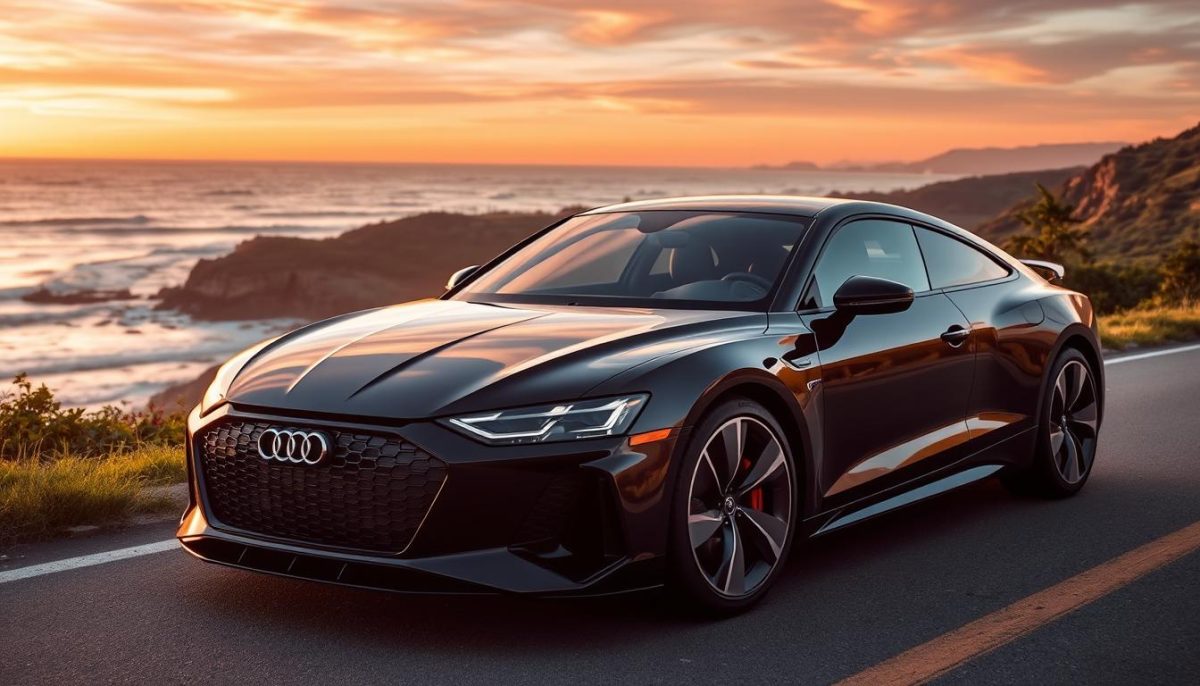
The Audi RS e-tron GT stands as a pinnacle in the electric vehicle sector. It merges e-tron electric performance with luxurious features seamlessly. Those in pursuit of both elegance and velocity will find it an attractive proposition. Its competitive advantage lies in its electric propulsion capabilities.
Performance and Driving Experience
The Audi RS e-tron GT’s road performance is undeniable. With 680 kW, it’s Audi’s most potent road car to date. It achieves a 0-100 km/h in a mere 4.1 seconds. Despite its hefty 2.3-tonne weight, aerodynamics improve its stability and extend its range. A single charge offers a journey of over 400 km.
Luxury Features and Interior
The interior of the luxury electric sedan matches the excellence of its performance. You’ll find premium materials and the latest technology inside. It creates a space that blends comfort with a cutting-edge design. Details like the MMI touch response system and the premium sound system elevate the driving experience significantly.
Price Comparison
Regarding the Audi e-tron’s price, the RS model presents an appealing deal. Priced almost $150,000 less than the RS6 Avant GT sibling, it’s a competitive choice among luxury EVs. This power, range, and luxurious interior mix sweepingly offer value. For those eyeing one of the top electric vehicles on the market, this is it.
Mercedes-Benz EQS
The flagship electric sedan from Mercedes-Benz, the EQS, masterfully combines advanced design elements with top-tier luxury and luxury EV technology. It showcases the pioneering MBUX Hyperscreen, a vast 56-inch touch interface that stretches across the dashboard. This feature reimagines how drivers and passengers interact with the vehicle and connect while on the move.
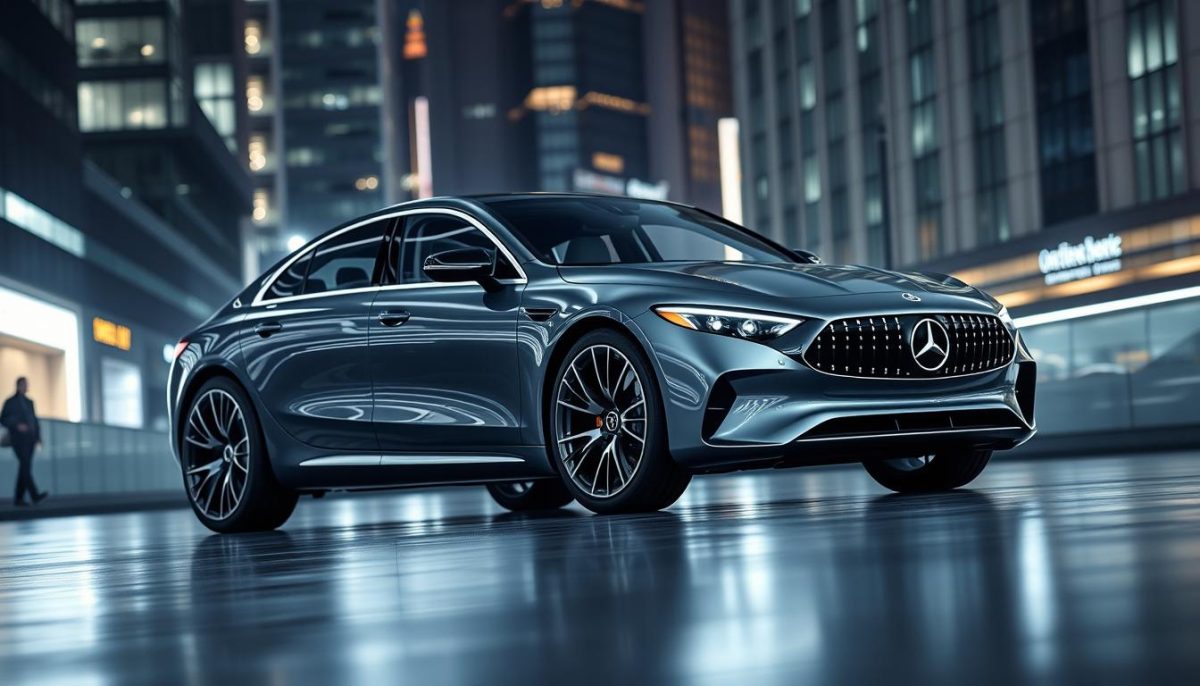
This illustrious flagship electric sedan provides a driving experience marked by tranquility, offering unmatched comfort and elegance for both the driver and passengers. The interior craftsmanship reflects Mercedes-Benz’s dedication to superior quality, turning the EQS into a sumptuous retreat on wheels.
The Mercedes EQS stands out in its competitive set with a base price of $102,310. It impresses with a 350-mile range, appealing significantly to those considering leaving petrol engines behind. The AMG version of the EQS elevates performance, boasting acceleration from 0 to 60 mph in just 3.4 seconds and reaching speeds up to 155 mph.
In a direct comparison with other luxury electric vehicles, the EQS leads with its efficient range and robust performance features. Its electric propulsion system does not only prioritize sustainability but also meets the high standards of the Mercedes-Benz marque.
The EQS marks a new era for luxury electric vehicles by blending eco-conscious engineering with unmatched luxury and forward-thinking design. It sets a high standard in the luxury EV technology space.
BMW i7 M70 xDrive
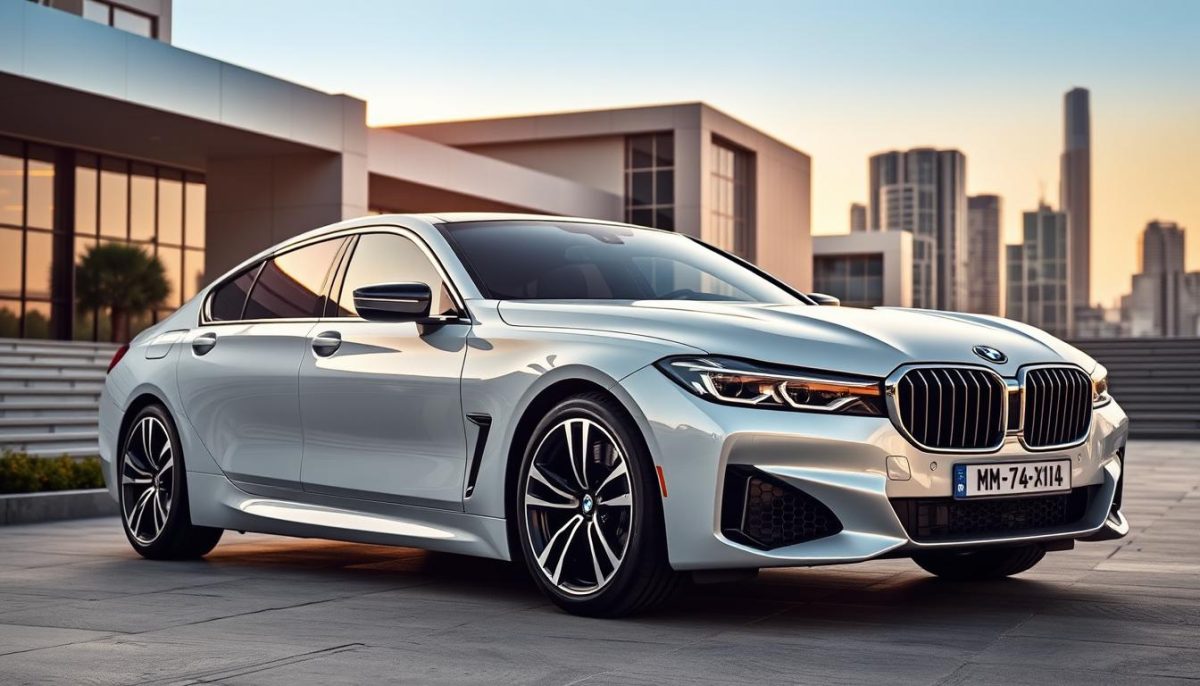
The BMW i7 M70 xDrive marks a bold advancement in electric luxury sedans. With superior engineering and distinguished design, it stands out effortlessly. Its exhilarating performance is matched by luxurious interiors. Every detail illustrates the seamless blend of innovative technology with ultimate comfort. Hence, it emerges as a formidable rival in the upscale electric vehicle scene.
Powertrain and Performance
The heart of the BMW i7 M70 xDrive is its potent EV powertrain, promising both power and smoothness. It features a front electric motor with 258 PS and 365 Nm of torque. Additionally, a rear motor offers 313 PS and 380 Nm. Together, they produce a combined 544 PS and 745 Nm. This thrusts the i7 xDrive60 from 0-100 km/h in just 4.7 seconds, reaching speeds up to 240 km/h.
The anticipated M70 variant will offer more than 600 PS and 1,000 Nm of torque. This will make it sprint 0-100 km/h in under four seconds, offering jaw-dropping performance.
Interior Comfort and Features
The cabin of the i7 M70 xDrive is a luxurious sanctuary, blending elegance with cutting-edge technology. It features rear dual-zone climate control and ample cabin storage. An innovative electric door system amplifies convenience. With front and rear cupholders, large storage spaces, and a 500-liter cargo area, it melds luxury with practicality.
Inside, you’ll find EV-specific displays and accents, adding to its unique feel while retaining BMW’s classic elegance.
Range and Charging
The i7’s impressive range and efficient charging are standout features. Its 101.7-kWh battery delivers a 625 km range on the WLTP cycle. With an AC system, charging via a Type 2 connection takes around 9.5 hours for a full recharge. For quicker needs, DC fast charging supports up to 195 kW using a CCS2 connection. This means a 10-80% charge in just 34 minutes.
Additionally, adaptive recuperation optimizes energy recovery, enhancing efficiency and range. This innovative feature underscores BMW’s attention to efficient energy use.
The BMW i7 M70 xDrive is more than an electric sedan; it symbolizes BMW’s commitment to combining innovation, luxury, and eco-friendly mobility. This vehicle indeed redefines its category, providing unparalleled driving pleasure and an extraordinary ownership experience.
Lucid Air Dream Edition
When we talk about luxury EV innovation, the Lucid Air Dream Edition is a standout. Especially among electric cars over $150,000. The Lucid Air Dream Edition details showcase top-of-the-line advancements. They define an unmatched driving experience.
The essence of the Lucid Air Dream Edition lies in its performance. It features a powerful 1,234 horsepower engine, backed by a 118.0 kWh battery. It also has a 900-volt architecture for superior speed and strength. The car accelerates from 0-60 MPH in just 1.89 seconds. That’s quicker than the Tesla Model S Plaid by 0.1 seconds.
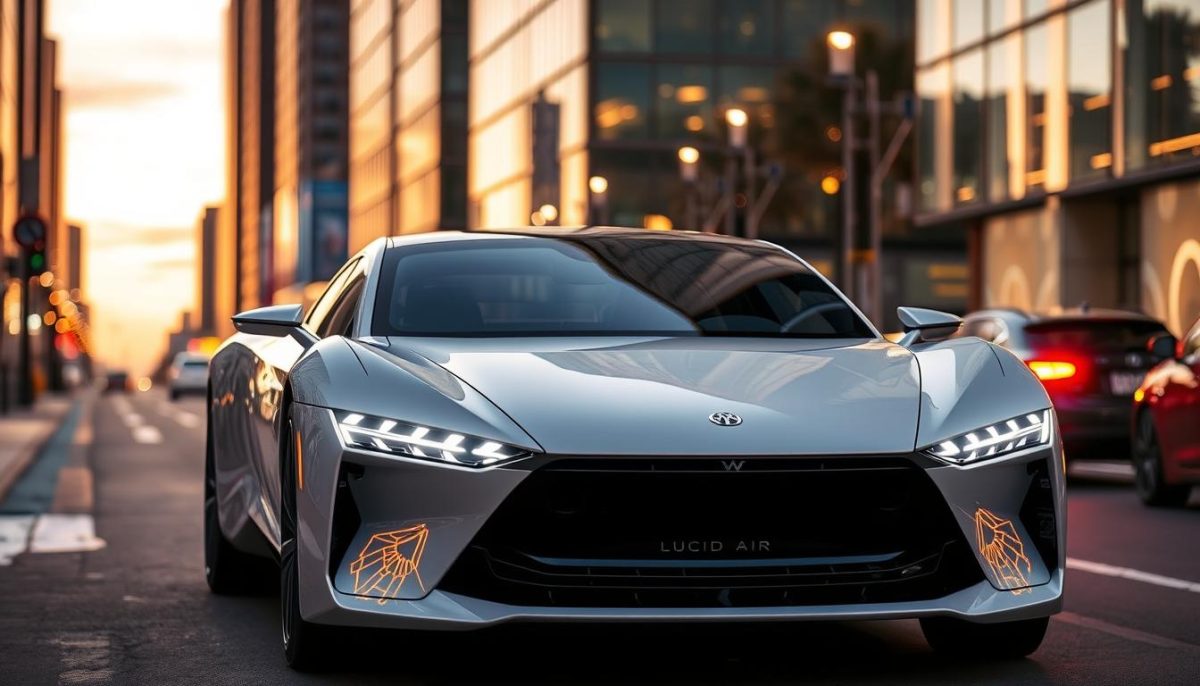
Its range ability stands out remarkably. The Lucid Air can travel over 500 miles per charge. This marks a significant stride in the luxury EV sector. Lucid’s advancement in battery technology addresses the common concern of range anxiety among EV buyers.
In comparison to its peers, the Lucid Air Dream Edition excels on many fronts. The LEAP platform incorporates lighter electric motors. Each motor, weighing only 163 pounds, delivers up to 670 horsepower. This demonstrates the brand’s mastery in crafting efficient yet robust motors. The high-end Grand Touring Performance model hits a maximum speed of 205 MPH, surpassing the Tesla Model S Plaid’s 200 MPH.
| Feature | Lucid Air Dream Edition | Tesla Model S Plaid |
|---|---|---|
| Horsepower | 1,234 | 1,020 |
| 0-60 MPH (seconds) | 1.89 | 1.99 |
| Top Speed (MPH) | 205 | 200 |
| Battery Capacity (kWh) | 118.0 | 100 |
| Range (miles) | 500+ | 396 |
The interior of the Lucid Air Dream Edition matches its performance. It offers an interior that’s both luxurious and packed with technology. Combining plush designs with sustainable materials, it appeals to luxury buyers. Thus, the Lucid Air redefines luxury EV innovation.
Electric Hypercars: Rimac Nevera
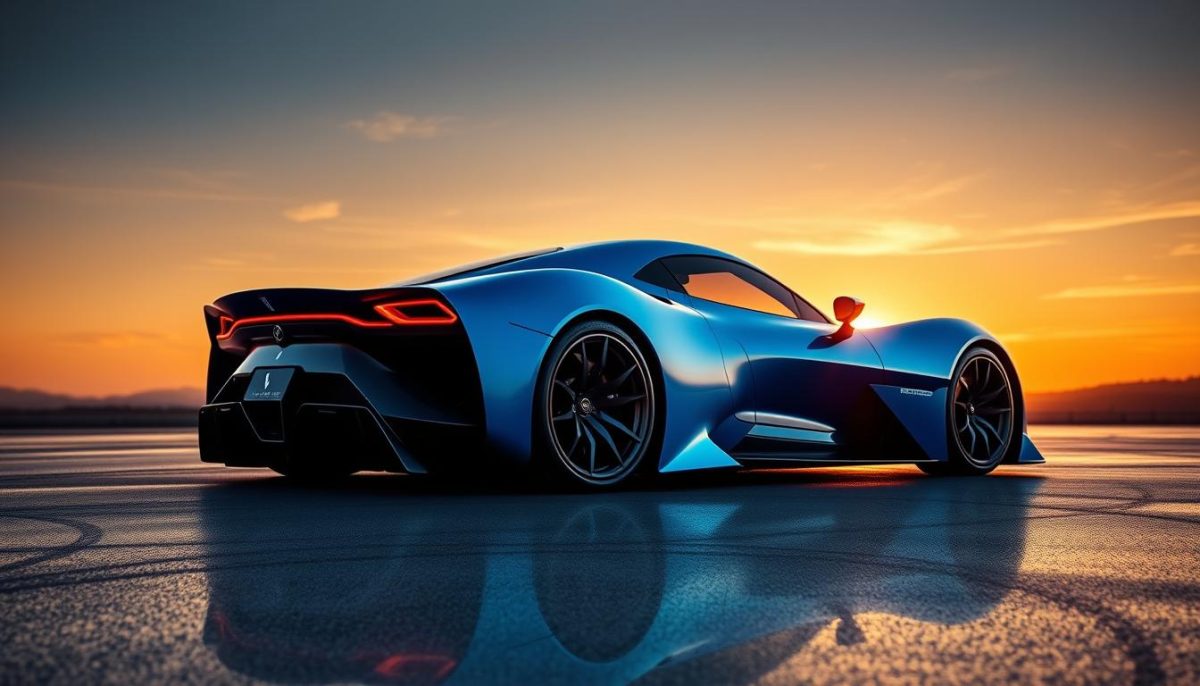
The Rimac Nevera stands at the pinnacle of electric hypercar performance, initiating a new phase where speed and power are exclusive to the top echelon of vehicles. Through advanced engineering and exclusive EV technology, Rimac has developed a vehicle that not only meets but surpasses the expectations of a hypercar on many levels.
Unprecedented Performance
The Rimac Nevera hypercar exhibits a formidable 1408kW power output, reaching a top speed of 412km/h. This performance is highlighted by its acceleration, beating even the most competitive, like the Tesla Model S Plaid.
It accelerates from 0-62mph in less than two seconds. Four hyper-efficient electric motors deliver torque individually to each wheel. This ensures unmatched traction and control. Remarkably, Rimac engineers broke 20 acceleration and braking records in one day, showcasing the Nevera’s exceptional capabilities.
Advanced Battery Technology
At the core of the Rimac Nevera’s extraordinary performance is its advanced battery system. This system features exclusive EV technology that optimizes power density and thermal management. It ensures peak performance and durability.
This car has a range adequate for extensive tours, perfectly balancing power with endurance. It integrates innovative cooling systems within the battery. This allows the vehicle to maintain high performance over time without sacrificing efficiency or safety.
This leading-edge technology establishes Rimac as a formidable competitor in the hypercar market. By combining advanced battery technology with unparalleled electric hypercar performance, Rimac offers an unmatched driving experience.
| Vehicle | Power Output (kW) | Top Speed (km/h) | 0-62mph Acceleration (seconds) | Price (£) |
|---|---|---|---|---|
| Rimac Nevera | 1408 | 412 | 1.85 | 2 million |
| Porsche Taycan Turbo S | 560 | 162 | 2.8 | 135,000 |
| Tesla Model S Plaid | 760 | 200 | 2.07 | 115,000 |
| Maserati Granturismo Folgore | 560 | 199 | 2.7 | 300,000 |
Unique Offerings from Rolls-Royce Spectre
The launch of the Rolls-Royce electric car, named the Spectre EV, is a milestone in auto history. It combines classic Rolls-Royce luxury with modern electric innovation. As Rolls-Royce’s first electric model, the Spectre retains the brand’s iconic legacy while embracing sustainability.
The Spectre EV is engineered to deliver the feeling of infinite acceleration, prized by luxury car enthusiasts. Despite its electric engine, the vehicle offers driving dynamics similar to traditional engines. It maintains the brand’s hallmark “Silent,” “Effortless,” and “Waftability” features, ensuring a signature driving pleasure.
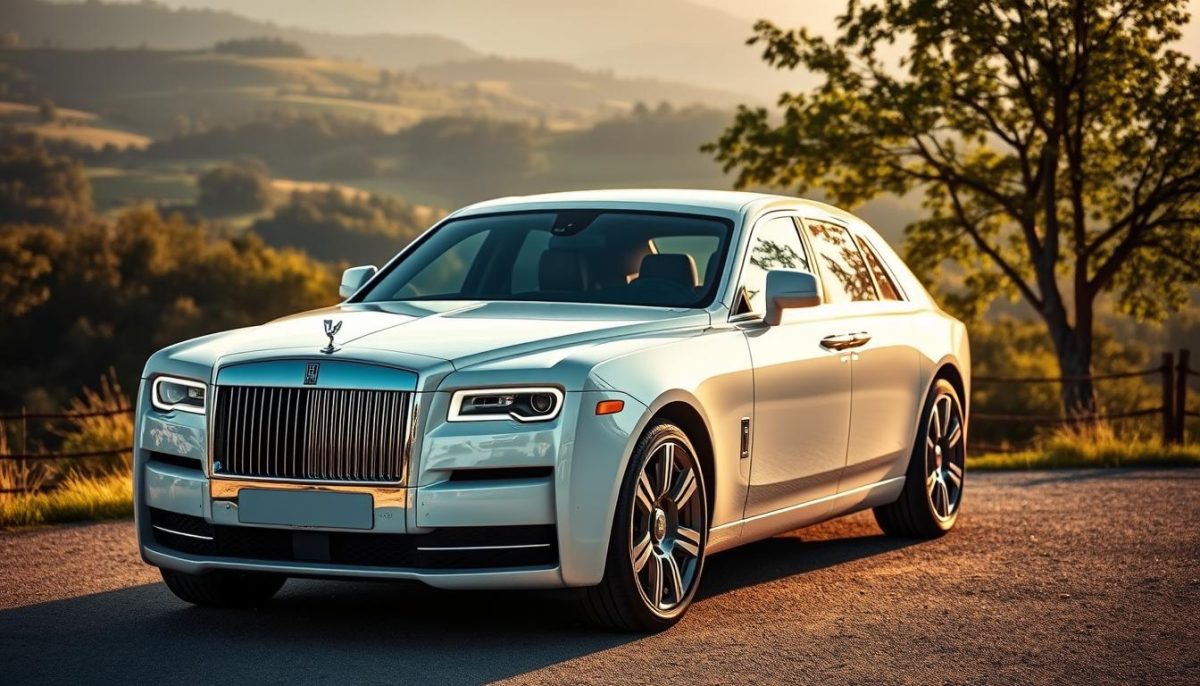
The dynamic performance of the Spectre is remarkable, given its size and weight. The vehicle handles with minimal body roll and offers precise steering response. By aiming the Spectre at drivers rather than as a limousine, Rolls-Royce adds versatility for different driving scenarios.
Aligning with the ultra-luxury electric vehicle sector, the Spectre champions Rolls-Royce’s customisation tradition. Each unit of Spectre can be custom-built, embodying the owner’s unique tastes and maintaining the brand’s exclusivity.
To conclude, the Rolls-Royce Spectre EV merges timeless elegance with electric innovation, leading the ultra-luxury electric vehicles segment. This strategic move reiterates Rolls-Royce’s position as a pioneer, offering an exhilarating and distinctive driving experience.
Emerging Luxury Brands in the Electric Market
The upscale electric mobility landscape is evolving, as new electric car brands make their mark. Emerging luxury EV makers are reshaping electric mobility, infusing the market with innovative solutions and distinctive design philosophies. Zeekr, capturing attention with around 300 expressions of interest for its Zeekr X compact SUV, stands out. This model, priced near $60,000, showcases the brand’s potential.
Zeekr is preparing to release its luxury people-mover, the Zeekr 009, by the end of 2024. This vehicle targets private buyers, limousine services, and government fleets, with a starting price of $150,000. Interest in the Zeekr 009 is high, highlighting its appeal. Moreover, Zeekr’s introduction of wallbox chargers and subscription services seeks to draw in new electric vehicle customers.
With plans to partner with key dealers across Australia, Zeekr has confirmed about 75% of these partnerships. This strategic network aims to facilitate a smooth market debut. In comparison, Tesla and BMW have already achieved success in Australia. For instance, the Tesla Model Y ranks among Australia’s top 10 best-selling cars for 2023. Additionally, BMW’s iX clinched the Best Luxury Electric Vehicle under $150,000 at the Drive Car of the Year awards.
New electric car brands like MG and BYD are also making their mark. The MG 4, selling 3134 units, and BYD’s Atto 3, with 11,042 units sold last year, illustrate this trend. Their competitive pricing and high specifications contribute to their success. The electric vehicle market’s expansion reflects the efforts of these emerging luxury EV makers, offering consumers a wider range of choices.
Compare Electric Cars over $150,000
For those looking at luxury electric cars above the $150,000 threshold, it’s crucial to consider several factors. Performance capabilities, groundbreaking technologies, and comprehensive EV pricing assessments are essential. These elements enable buyers to make informed decisions.
Key Differences in Performance
Performance plays a paramount role in comparing high-end EVs. Notably, the Tesla Model S Plaid and the Porsche Taycan Turbo S stand out for their incredible speeds. The Tesla Model S Plaid accelerates from 0 to 100 km/h in a mere 2.1 seconds. On the other hand, the Porsche Taycan Turbo S achieves 0-100 km/h in 2.8 seconds.
This demonstrates the significant advantage these luxury electric vehicles have. Their superb driving dynamics and swift acceleration are crucial for potential buyers.
Technology and Innovation
At the core of these sophisticated vehicles lies groundbreaking technology and innovation. Take the Mercedes-Benz EQS as an example, which impresses with its expansive Hyperscreen dashboard. This feature provides a completely digital and streamlined in-car experience. Conversely, the Lucid Air Dream Edition sets new standards with its staggering 1080 horsepower and over 800km range on a single charge.
These innovations, including semi-autonomous driving capabilities and enhanced connectivity, are becoming increasingly important. They add to the vehicle’s allure.
Pricing and Value
The evaluation of pricing plays a significant role in selecting a luxury EV. Despite high upfront costs, assessing the long-term benefits is key. Luxury electric vehicles, such as those from Tesla and Lucid, offer extensive warranties. Their premium prices are justified by unparalleled features and superior performance. Moreover, the depreciation rates, durability of batteries, and the effectiveness of charging infrastructures are also vital in determining their overall value.
| Luxury EV Model | 0-100 km/h Time (seconds) | Range (km) |
|---|---|---|
| Tesla Model S Plaid | 2.1 | 637 |
| Porsche Taycan Turbo S | 2.8 | 420 |
| Mercedes-Benz EQS | 4.3 | 770 |
| Lucid Air Dream Edition | 2.5 | 837 |
| Audi RS e-tron GT | 3.3 | 488 |
The Future of Luxury Electric Cars
The journey towards the future of luxury electric cars is set to be exhilarating. Significant advancements are being made, with manufacturers pouring huge investments into premium electric vehicles. At least US$300 billion is committed to embracing electric power, demonstrating a firm dedication towards advancing luxury EV development. High-end brands are spearheading these efforts, incorporating cutting-edge tech and luxurious features, ensuring the luxury segment’s growth.
Advancements in battery technology are central to the evolution of electric vehicles. The average battery density is increasing yearly by about 5%. This progress means longer driving ranges and reduced charging times. For instance, BMW’s innovative battery pack design enhances energy density by 20% and includes an 800-volt system. This system increases DC-fast charging speeds by up to 30%, making luxury EVs more appealing and practical for everyday use.
Sustainable manufacturing processes have become crucial in luxury EV development. Automakers focus on eco-friendly production and the responsible sourcing of materials. General Motors aims to halt petrol-powered vehicles production by 2035, whereas Volvo plans to go fully electric by 2030. This shift towards sustainability meets the high-end consumers’ growing demands for eco-conscious products.
Furthermore, advancements in autonomous driving are reshaping the luxury electric vehicle market. Self-driving capabilities and sophisticated driver assistance systems are being integrated, offering unmatched convenience and safety. The Sony Honda Mobility joint venture is launching the Afeela brand. It focuses on battery electric vehicles with advanced autonomous features, accepting orders in 2025 and delivering by 2026.
The introduction of high-performance models marks another exciting development in the luxury EV market. DeLorean’s Alpha5 concept EV is set for release in 2025, with a hefty price tag of over $150,000. It features gullwing doors and achieves 0-88 mph in just 4.35 seconds. Meanwhile, Dodge plans to introduce an electric version of its Charger model in late 2024. This model promises 496 hp to 670 hp, showcasing a move towards high-powered electric performance vehicles.
Extensive charging infrastructures are essential as the world transitions to electric vehicles. The US aims to have 500,000 charging stations by 2030. This expansion is vital for the luxury electric cars’ adoption, providing the needed superchargers for these sophisticated EVs.
Tesla has showcased the potential within the luxury EV sector since unveiling the Model S in 2012. It has significantly influenced the luxury electric vehicle market. Following Tesla’s lead, General Motors, Porsche, Audi, and Mercedes-Benz have introduced advanced electric models. These models compete fiercely in the high-end automotive market.
In conclusion, the future of luxury electric cars revolves around innovation, sustainability, and superior performance. With battery technology improvements, autonomous driving, and eco-friendly manufacturing as key focuses, the luxury EV market is redefining automotive excellence. This sector is decidedly one to watch as it continues to unfold.
Environmental Impact of High-End Electric Vehicles
As the eco-friendly luxury car market grows, assessing their environmental impact is vital, moving beyond zero tailpipe emissions. The focus includes sustainability in manufacturing, where automakers are adopting greener practices. Tesla and BMW are leading by example, utilizing recycled materials and renewable energy. This significantly cuts the carbon footprint of their luxury vehicles.
Sustainability in Manufacturing
In Australia, sustainability in high-end electric vehicle manufacturing is critical to their eco-friendliness. About half of battery production emissions come from electricity used during manufacturing. Manufacturers like Tesla are turning to renewable energy for their factories, notably in the “Gigafactory.” This reduces the environmental impact, aligning with global ecological goals. It fosters a move towards more sustainable industry practices.
Long-term Benefits
The long-term advantages of high-end electric vehicles are significant, especially in their role in air pollution reduction and carbon footprint minimizing. In Europe, electric cars produce three times less CO2 than petrol cars on average. By 2030, these vehicles could cut CO2 emissions by four times, showcasing their lasting environmental benefits. The integration of electric vehicles into smart grids further emphasizes their importance in combating climate change. This moves us towards a cleaner, healthier future.
FAQ
What are the benefits of choosing electric cars over 0,000?
Luxury electric vehicles merge top-tier performance with advanced tech and eco-friendliness. Their interiors are plush, and they’re equipped with the latest in safety and connectivity. This makes them a prime choice for those prioritizing green living alongside luxury and performance.
How does the range and charging time affect the usability of luxury electric cars?
For luxury electric cars, range and charging speed are key. They offer long distances per charge, easing range concerns. Fast-charging and more charging spots make them suitable for longer trips.
What should I consider when comparing luxury electric vehicles over 0,000?
Evaluate luxury EVs on performance, including acceleration and driving dynamics. Look at the range and charging time to match your needs. Also, delve into each vehicle’s tech, like driver assistance and infotainment systems, and luxury touches.
Which luxury electric cars are highly recommended in the Australian market?
In Australia, top luxury EVs include the Tesla Model S Plaid, Porsche Taycan Turbo S, and Audi RS e-tron GT. Also, the Mercedes-Benz EQS, BMW i7 M70 xDrive, and Lucid Air Dream Edition. They’re celebrated for performance, tech, and luxury features.
How does the Tesla Model S Plaid compare to other luxury electric cars?
The Tesla Model S Plaid dazzles with rapid acceleration and high-end technology. Its range and plush interior set it apart in the luxury EV space.
What makes the Porsche Taycan Turbo S a notable luxury electric vehicle?
Porsche Taycan Turbo S excels with its distinctive Porsche handling and electric power. It redefines EV performance, merging sportiness with eco-innovation.
Why is the Audi RS e-tron GT considered an exceptional luxury EV?
The Audi RS e-tron GT is praised for powerful performance and luxury craftsmanship. It combines instant torque with top-notch features for a superior drive.
What are the standout features of the Mercedes-Benz EQS?
Mercedes-Benz EQS is known for its cutting-edge tech and luxurious design. Its efficiency and performance offer a sustainable alternative to conventional luxury cars.
How does the BMW i7 M70 xDrive position itself in the luxury electric car market?
BMW i7 M70 xDrive shines with unmatched performance and luxury. Its tech advances and range solidify BMW’s status in electric mobility’s future.
What innovative aspects does the Lucid Air Dream Edition offer?
Lucid Air Dream Edition leads with exceptional range and tech innovations. It combines advanced battery and design for peak luxury electric travel.
What makes the Rimac Nevera a standout electric hypercar?
Rimac Nevera dominates with a powerful four-motor setup and cutting-edge tech. It delivers unparalleled speed and range among electric hypercars.
How is Rolls-Royce approaching the electric vehicle market with the Spectre?
Rolls-Royce’s Spectre merges traditional luxury with electric innovation. It offers custom luxury and silent power, redefining electric exclusivity.
Are there emerging luxury brands in the electric vehicle market worth considering?
The luxury EV market is welcoming new brands that combine unique designs with breakthrough tech. They offer exclusive driving experiences and highlight sustainable luxury.
What are some key differences when comparing electric cars over 0,000?
Comparing luxury EVs? Consider performance, tech integration, and unique features. Assess how well the premium offerings justify the price versus traditional luxury cars.
What does the future hold for luxury electric cars?
Battery advances, increased range, and autonomous driving improvements brighten luxury EVs’ future. They’ll blend luxury with sustainability more seamlessly.
What is the environmental impact of high-end electric vehicles?
Beyond zero emissions, luxury EVs highlight sustainable manufacturing. Using recycled materials and renewable energy reduces pollution and carbon footprints, leading to cleaner energy integration.
